
2 min read
The Perfect Skincare Routine for Nepali Skin
The perfect skincare routine for Nepali skin must account for Kathmandu’s high PM2.5 pollution levels, Nepal’s elevated UV index at altitude, and extreme seasonal climate shifts between dry winters and humid monsoons. Follow these five essential steps every day for healthy, protected, glowing skin.
🌅 Morning Routine
- Gentle face wash
- Hydrating toner or essence
- Vitamin C or Niacinamide serum
- Lightweight moisturizer
- SPF 30+ sunscreen (non-negotiable)
🌙 Evening Routine
- Cleansing oil or micellar water
- Gentle second cleanse
- Hydrating toner or essence
- Treatment serum (BHA, HA, Retinol)
- Ceramide moisturizer
💡
Nepal Skin Tip: Sunscreen is the single most important step in any skincare routine for Nepali skin. UV intensity increases 10 to 12 percent for every 1,000 meters of altitude. Apply SPF 30+ every morning and reapply every 2 to 3 hours outdoors.
Your complete, dermatologist-informed guide to building a daily skincare routine that works with Nepal’s unique climate, altitude, and pollution levels
If you have ever followed a skincare routine recommended by a beauty blogger in Seoul or New York and wondered why it did not quite work for you, the answer is simple: your skin lives in Nepal, and Nepal is unlike anywhere else on earth. The perfect skincare routine for Nepali skin is not a generic five-step formula copied from a K-beauty YouTube channel. It is a thoughtfully built, climate-aware, skin-type-specific system that accounts for the dusty, polluted air of Kathmandu Valley, the fierce UV exposure of high-altitude living, the brutal dryness of a Himalayan winter, and the humidity of monsoon season.
In this guide, we will walk you through every step of a complete daily and nightly skincare routine for Nepali skin, breaking down exactly what your skin needs based on your skin type and the specific environmental challenges you face every single day in Nepal.
Why Nepali Skin Needs Its Own Skincare Routine
Before we get into the steps, it is important to understand why Nepal demands a customized approach to skincare and why a skincare routine for Nepali skin cannot be built the same way a routine would be built for someone living at sea level in a temperate climate.
The Environmental Challenge: Pollution, Altitude, and Climate Extremes
Kathmandu Valley is one of South Asia’s most polluted urban environments. According to data published by IQAir, Kathmandu’s PM2.5 concentration regularly exceeds the World Health Organization’s safe guideline value, and in 2025, PM2.5 levels reached a record high of 384 micrograms per cubic meter due to extensive wildfires and stagnant atmospheric conditions. A peer-reviewed study published in Discover Public Health confirmed that Kathmandu Valley experiences persistently high PM2.5 concentrations driven by rapid urbanization, traffic emissions, biomass combustion, and the valley’s adverse topography, which traps pollutants within the city limits.
What does this mean for your skin? Research published in the Annals of Dermatology confirms that air pollutants, including PM2.5, compromise both epidermal and dermal integrity, impair skin barrier function, and contribute to conditions such as atopic dermatitis, acne, psoriasis, and premature aging. In simpler terms: living and commuting in Kathmandu every day is silently aging your skin, clogging your pores, and weakening your skin barrier, whether you can see it or not.
Then there is the altitude factor. Nepal sits at elevations that expose residents to significantly higher ultraviolet radiation than people living at sea level. Research published in the Journal of the Himalayan Atmospheric Environment confirms that UV index increases with altitude, with seasonal peaks in spring and summer, and that mountaineers and higher-altitude residents face substantially elevated UV exposure. A landmark dermatology paper published in the Indian Journal of Dermatology documented that chronic UV exposure at altitude leads to hyperpigmentation, thickening of the skin, and furrowing that can begin as early as the first decade of life in Nepali highlanders.
Compounding this, Nepal’s climate swings between extremes. Winters are dry and cold, stripping the skin of its natural moisture barrier and leading to dehydration, flaking, and sensitivity. Monsoon season brings humidity, excess sebum production, and increased breakouts. Understanding these seasonal shifts and building a routine that adapts to them is the foundation of good skincare for Nepali skin.
Understanding Your Skin Type and Key Concerns in Nepal
Before you can build the right skincare routine for Nepali skin, you need to know what you are working with. Here are the four most common skin types and concerns among Nepali consumers:
Oily and Acne-Prone Skin
Oily skin is one of the most common concerns among Nepali shoppers, particularly in urban areas like Kathmandu where high humidity during monsoon season stimulates excess sebum production. Environmental pollutants also play a role: research in Skin Health and Disease found a direct link between exposure to polycyclic aromatic hydrocarbons in urban air pollution and increased sebum production and inflammatory acne. If you struggle with clogged pores, active breakouts, and a persistently shiny complexion, your routine needs to prioritize deep cleansing, gentle exfoliation, and oil-free hydration.
Dark Spots, Pigmentation, and Dullness
Hyperpigmentation is arguably the most pervasive skin concern in Nepal. As noted by Lucent Skin Clinic dermatologists, Nepal’s high-altitude UV exposure, combined with the prevalence of South Asian skin types (Fitzpatrick III to V) that are naturally more reactive to UV, makes melasma and post-inflammatory hyperpigmentation extremely common in the Nepali population. A 2026 clinical study published in the peer-reviewed journal Dermatology Research and Practice, based on patients at Nepal Skin Hospital in Kathmandu, confirmed that melasma significantly impacts the psychosocial and emotional wellbeing of affected individuals, with the majority reporting frustration, embarrassment, and reduced productivity as a result.
The solution is not a whitening cream. Research from Nepal Skin Hospital explicitly warns against unregulated fairness creams, which often contain harmful steroids or mercury and cause rebound hyperpigmentation that is far harder to treat than the original condition. The correct approach is brightening actives such as Vitamin C, Niacinamide, Alpha Arbutin, and daily high-SPF sunscreen.
Dryness and Dehydration
Winter in Nepal is brutal on the skin. Cold temperatures, low humidity, and the dry Himalayan winds strip the skin of its natural moisture barrier, leading to tightness, flaking, rough texture, and in more severe cases, cracked and sensitive skin. Urban residents of Kathmandu face the additional challenge of winter PM2.5 spikes: a ScienceDirect study tracking five years of PM2.5 data across Nepal’s five seasons found that winter pollution levels in the valley reach up to 146 micrograms per cubic meter, nearly 10 times the WHO safe limit. Combined with indoor heating and hot showers that further strip sebum, winter dehydration becomes a serious and often undertreated skin concern.
Sensitive Skin and Barrier Repair
A compromised skin barrier is the root cause of much of what Nepali skin suffers from. Chronic exposure to PM2.5, dust, and UV radiation weakens the skin’s outermost protective layer, making it more reactive to skincare products, more prone to redness and irritation, and less effective at retaining moisture. If your skin reacts easily to new products, feels tight or uncomfortable after cleansing, or frequently appears red or inflamed, barrier repair must be the foundation of your skincare routine for Nepali skin before you introduce any active ingredients.
The Step-by-Step Skincare Routine for Nepali Skin
Step 1: The Essential Cleanse
Cleansing is the non-negotiable foundation of any skincare routine for Nepali skin. Given the level of urban dust, vehicle emissions, and environmental pollutants Nepali skin encounters every day, a single cleanse is rarely sufficient in the evening.
Morning Cleanse: In the morning, a gentle, pH-balanced face wash or gel cleanser is all you need. Avoid harsh foaming cleansers with sulfates that can strip your skin barrier before the day has even begun. A low-pH cleanser removes overnight sweat and sebum buildup without disrupting the acid mantle.
Recommended: A gentle gel cleanser or low-pH face wash suited to your skin type.
Evening Double Cleanse: At night, after a day of exposure to Kathmandu’s pollution, sunscreen residue, and skin buildup, a double cleanse is the most effective method for thorough removal.
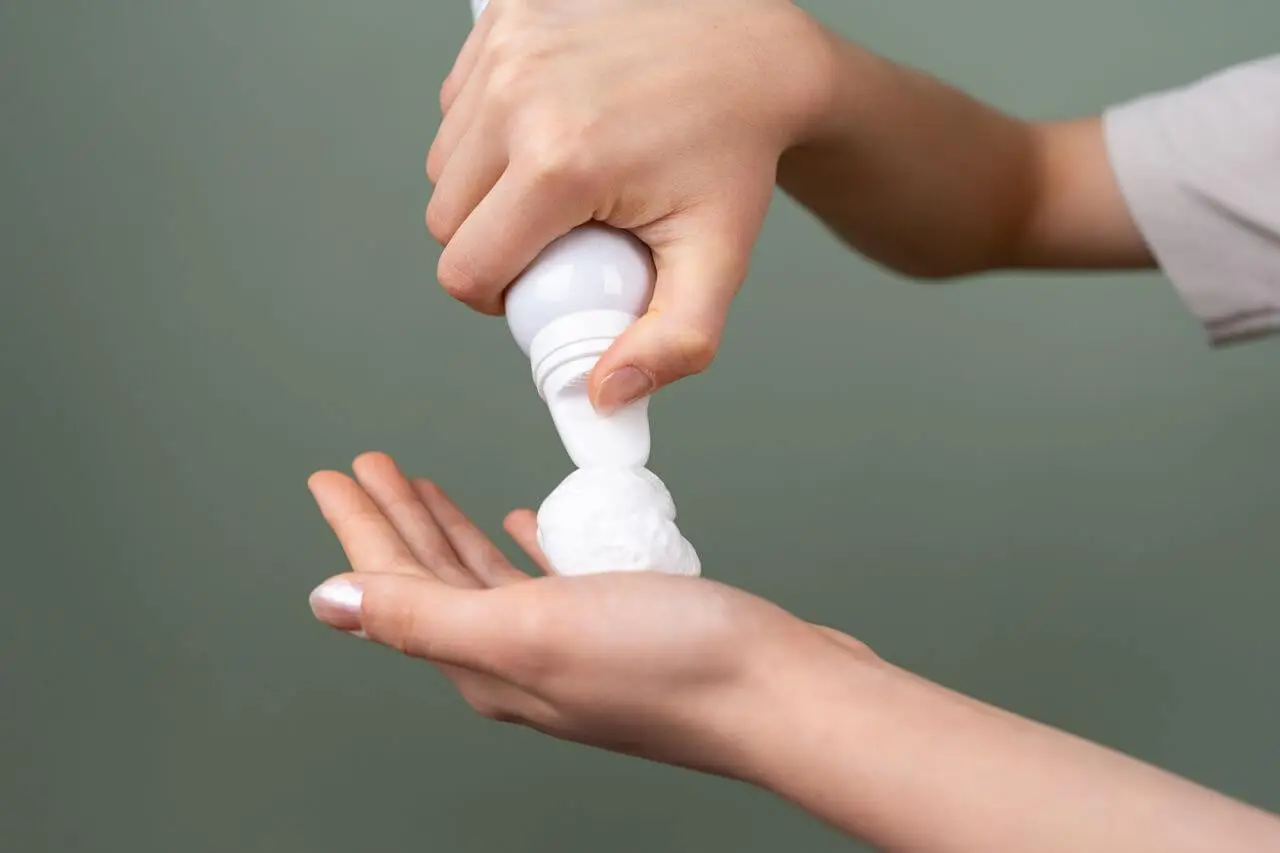
Start with a cleansing oil, cleansing balm, or micellar water as your first cleanse to break down sunscreen, sebum, and oil-based pollutant particles that bond to the skin’s surface. Follow immediately with a gentle second cleanse using a foam, gel, or cream face wash to remove water-based impurities and ensure your skin is completely clean before you begin treatment.
The double cleanse method, a cornerstone of K-beauty that has been adopted by dermatologists worldwide, ensures that the active ingredients in your serum and moisturizer can penetrate cleanly into the skin without being blocked by residual pollution or SPF.
Dermatologists at Lucent Skin Clinic specifically advise Nepali skin types to cleanse twice daily and to rinse the face after heavy exposure to Kathmandu’s smog and dust, and to follow up immediately with an antioxidant serum to neutralize pollutant-induced free radical damage.
Step 2: Tone and Prep
Immediately after cleansing, while your skin is still slightly damp, it is time to rehydrate and prep with a toner or essence. This step is more important for Nepali skin than most generic routines acknowledge, because cleansing, particularly double cleansing, can temporarily raise skin pH and disrupt the hydration balance.
A good hydrating toner or toner essence restores the skin’s pH, delivers the first layer of moisture, and prepares the skin to absorb subsequent serums more effectively.
For Nepali skin, look for toners containing:
Centella Asiatica: One of the most valuable botanical ingredients for Nepali skin, centella is a traditional healing herb used across South and Southeast Asian skincare for centuries. It calms inflammation, soothes redness caused by pollution-induced irritation, strengthens the skin barrier, and promotes wound healing. For acne-prone or sensitive Nepali skin exposed to Kathmandu’s pollution, centella-based toner essences are a highly strategic first layer.
Hyaluronic Acid: A humectant that draws water from the environment and deeper skin layers to the surface, hyaluronic acid is essential during Nepal’s dry winter months when atmospheric moisture drops significantly and the skin becomes chronically dehydrated.
Ginseng Essence Water: For those seeking deeper nourishment and an anti-aging boost, ginseng essence waters deliver adaptogenic antioxidant benefits that help neutralize the oxidative stress caused by high-altitude UV radiation and urban pollution exposure.
Apply your toner by pressing it gently into the skin with clean hands rather than wiping with a cotton pad, which can drag and irritate skin that is already dealing with environmental stress.
Step 3: Treatment Serums and Ampoules
This is the most powerful and targeted step in your skincare routine for Nepali skin. Serums and ampoules deliver concentrated active ingredients at a molecular level that no moisturizer or toner can match. Choosing the right actives for your specific skin concern is the difference between a routine that works and one that just goes through the motions.
Here is a complete breakdown by concern:
For Acne and Pore Control: Salicylic Acid (BHA) Salicylic acid is a beta-hydroxy acid that is oil-soluble, meaning it penetrates directly into the pore lining and dissolves the sebum and dead skin cell buildup that causes blackheads, whiteheads, and inflammatory pimples. For oily and acne-prone Nepali skin that is already dealing with pollution-clogged pores, a BHA serum or essence used two to three times per week is one of the most effective tools available. Start with a low concentration (0.5 to 1%) and build up gradually to avoid over-exfoliation.
For Pigmentation and Brightening: Niacinamide, Vitamin C, and Alpha Arbutin These three ingredients form the power trio for addressing Nepal’s most common skin concern: hyperpigmentation caused by UV exposure and post-inflammatory dark spots from acne. As confirmed by dermatologists at Lumiderma Nepal, blocking melanin pathways through topical brightening actives gives safe, stable results compared to unregulated fairness creams.
Niacinamide (Vitamin B3) regulates sebum, reduces the appearance of pores, fades dark spots, and strengthens the skin barrier simultaneously. It is one of the most well-tolerated brightening ingredients for South Asian skin types.
Vitamin C (L-Ascorbic Acid) is a potent antioxidant that neutralizes free radicals from UV and pollution exposure while actively inhibiting melanin production. Lucent Skin Clinic dermatologists specifically recommend Vitamin C antioxidant serums for Kathmandu residents dealing with daily smog exposure. Apply Vitamin C in the morning under your sunscreen for maximum protective benefit.
Alpha Arbutin is a gentle, stable skin brightener that targets existing dark spots with a lower risk of irritation than other brightening acids, making it a good choice for sensitive Nepali skin dealing with post-inflammatory hyperpigmentation.
For Deep Hydration: Hyaluronic Acid and Snail Mucin For dehydrated, dry, or combination Nepali skin, particularly during winter months or in high-altitude regions, a hyaluronic acid serum or snail mucin power essence delivers deep, multi-layered hydration that a moisturizer alone cannot replicate.
Snail mucin, one of K-beauty’s most celebrated ingredients, is rich in glycoproteins, hyaluronic acid, and zinc, which together hydrate, repair barrier damage, fade acne scars, and support overall skin resilience. For Nepali skin dealing with the dual challenge of pollution damage and dehydration, a snail mucin essence is one of the most multi-functional treatment options available.
For Nighttime Barrier Repair and Anti-Aging: Retinol, Retinal, and Peptides For those aged 25 and above who are concerned about the early photoaging signs that Nepal’s high-altitude UV exposure accelerates, incorporating retinol or retinal into a nightly routine is one of the most evidence-backed decisions in skincare science. Retinoids speed up cellular turnover, stimulate collagen production, fade pigmentation, and smooth fine lines, all while you sleep.
Begin with a low-strength retinol (0.025 to 0.1%) two nights per week, always over moisturizer to buffer initial sensitivity, and build up gradually over several months. Peptide serums are a gentler alternative for those whose skin cannot yet tolerate retinoids, delivering anti-aging signals that support skin structure without the initial adjustment period.
Step 4: Moisturize
No matter your skin type, moisturizing is non-negotiable in a skincare routine for Nepali skin. Even oily skin needs hydration: when oily skin is under-moisturized, the sebaceous glands compensate by producing even more oil, which worsens breakouts and congestion.
For Oily and Acne-Prone Skin: Choose a lightweight, oil-free gel moisturizer or water cream that delivers hydration without heaviness or pore-clogging ingredients. Look for products labeled non-comedogenic and free from heavy silicones or waxes that can trap sebum in the pore. Centella asiatica and niacinamide-containing gel moisturizers are particularly well-suited to oily Nepali skin.
For Dry and Dehydrated Skin: Invest in a richer, more nourishing cream formulated with ceramides and Vitamin B5 (panthenol). Ceramides are the lipid molecules that make up the skin’s natural barrier, and replenishing them through your moisturizer directly rebuilds the protective layer that pollution and cold weather erode. Dermatologists at Lucent Skin Clinic recommend moisturizers with ceramides and humectants such as hyaluronic acid and glycerin for barrier repair and hydration, noting that even oily skin benefits from lightweight, non-comedogenic ceramide formulas.
For Sensitive and Barrier-Damaged Skin: A fragrance-free, minimal-ingredient cream or balm focused on ceramides, squalane, and colloidal oatmeal is your best tool for calming reactive skin and rebuilding the barrier from the inside out. Avoid fragrances, essential oils, and alcohol-based products, which are among the most common irritants for compromised Nepali skin.
During Nepal’s cold winter months, apply your moisturizer while skin is still slightly damp from your essence or serum layer to lock in maximum hydration before it evaporates in the dry air.
Step 5: Sun Protection (The Non-Negotiable Final Step)
If there is one step in the skincare routine for Nepali skin that trumps all others in terms of long-term skin health impact, it is sunscreen. This is not a suggestion. It is a dermatological and scientific imperative for anyone living, working, or moving around in Nepal.
As established by UV research published in the Asian Journal of Atmospheric Environment, UV index values across Nepal’s measurement stations in Kathmandu, Pokhara, Biratnagar, and Lukla reach dangerous levels across multiple seasons, with altitude dramatically amplifying exposure. Research published in the Journal of the Himalayan Atmospheric Environment confirms that UV intensity increases roughly 10 to 12 percent for every 1,000 meters of elevation above sea level. Additionally, as published in the Indian Journal of Dermatology, prolonged UV exposure at altitude causes skin changes that begin in early childhood and accelerate throughout adult life.
Lucent Skin Clinic dermatologists advise applying SPF 30 or above every single day, with reapplication three times daily during outdoor exposure, and always reapplying after sweating since standard sunscreens are not waterproof.
Choosing the Right Sunscreen for Your Nepali Skin Type:
For oily and acne-prone skin: Choose a gel-based or fluid sunscreen with a lightweight, matte finish. Look for products labeled oil-free and non-comedogenic. Many Korean sunscreens in this category feel almost weightless on the skin and work beautifully as a makeup base.
For dry and sensitive skin: Mineral (physical) sunscreens containing zinc oxide or titanium dioxide sit on top of the skin and reflect UV rays rather than absorbing them chemically. They are gentler on compromised skin barriers and less likely to cause irritation or reactions.
For daily city use: A tinted sunscreen with SPF 50 offers both broad-spectrum UV protection and a light coverage that evens out skin tone, making it a practical and efficient option for urban Nepali consumers who want both skincare and light coverage in a single step.
Reapply sunscreen every two to three hours when outdoors, regardless of weather or cloud cover. UV radiation penetrates clouds and continues to damage skin even on overcast Kathmandu days.
Weekly Treatments to Boost Your Routine
Gentle Chemical Exfoliation
Once or twice per week, incorporate a chemical exfoliant into your evening routine. Replace harsh physical scrubs, which can cause microtears in the skin barrier and worsen sensitivity, with a gentle AHA or BHA exfoliating serum or toner.
AHAs (Alpha Hydroxy Acids) such as glycolic acid and lactic acid dissolve the bonds between dead skin cells on the surface, revealing brighter, more even-toned skin underneath. They are particularly effective for addressing the hyperpigmentation and dullness that Nepal’s UV environment creates.
BHAs (Salicylic Acid) penetrate into the pore and clear sebum buildup from the inside, making them the better choice on exfoliation nights for acne-prone and oily Nepali skin.
Never use both AHA and BHA on the same night, and always follow with a rich moisturizer and SPF the following morning, as chemical exfoliation temporarily increases UV sensitivity.
Clay Masks and Sheet Masks
Once a week, incorporate a targeted mask treatment based on your skin’s current needs.
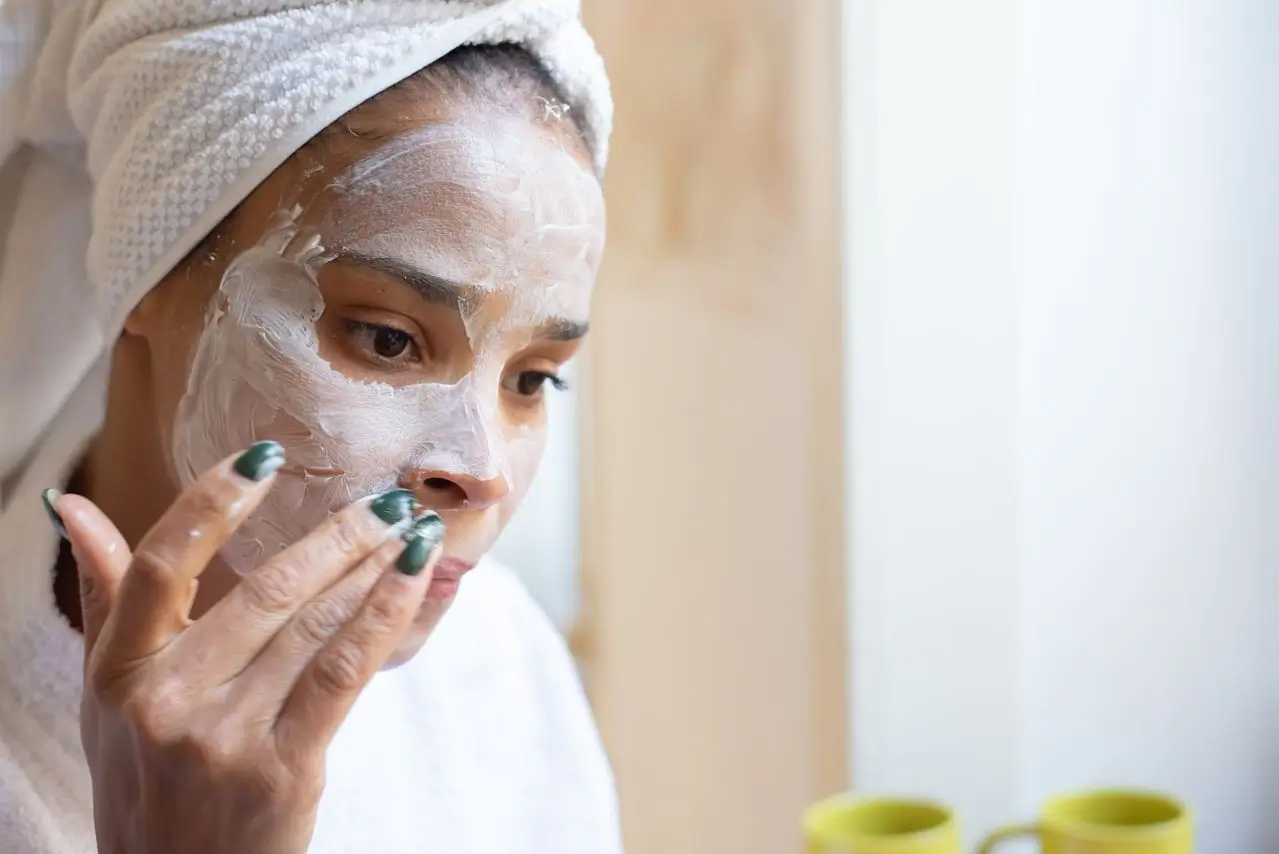
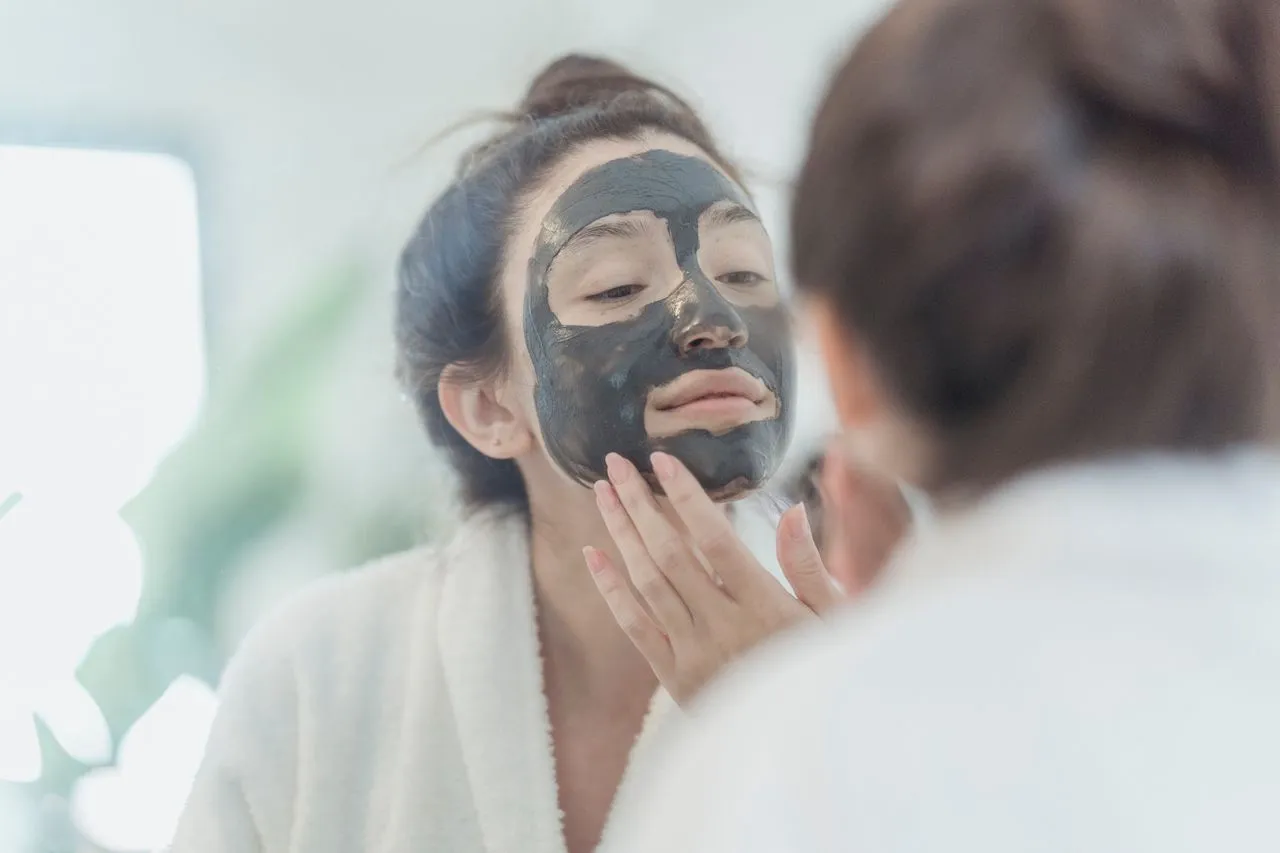
A clay mask containing kaolin or bentonite is excellent for weekly pore purging and deep cleansing, drawing out sebum, pollutant particles, and impurities that your daily cleanse may not fully remove. This is particularly valuable for oily and acne-prone Nepali skin during Kathmandu’s humid monsoon months.
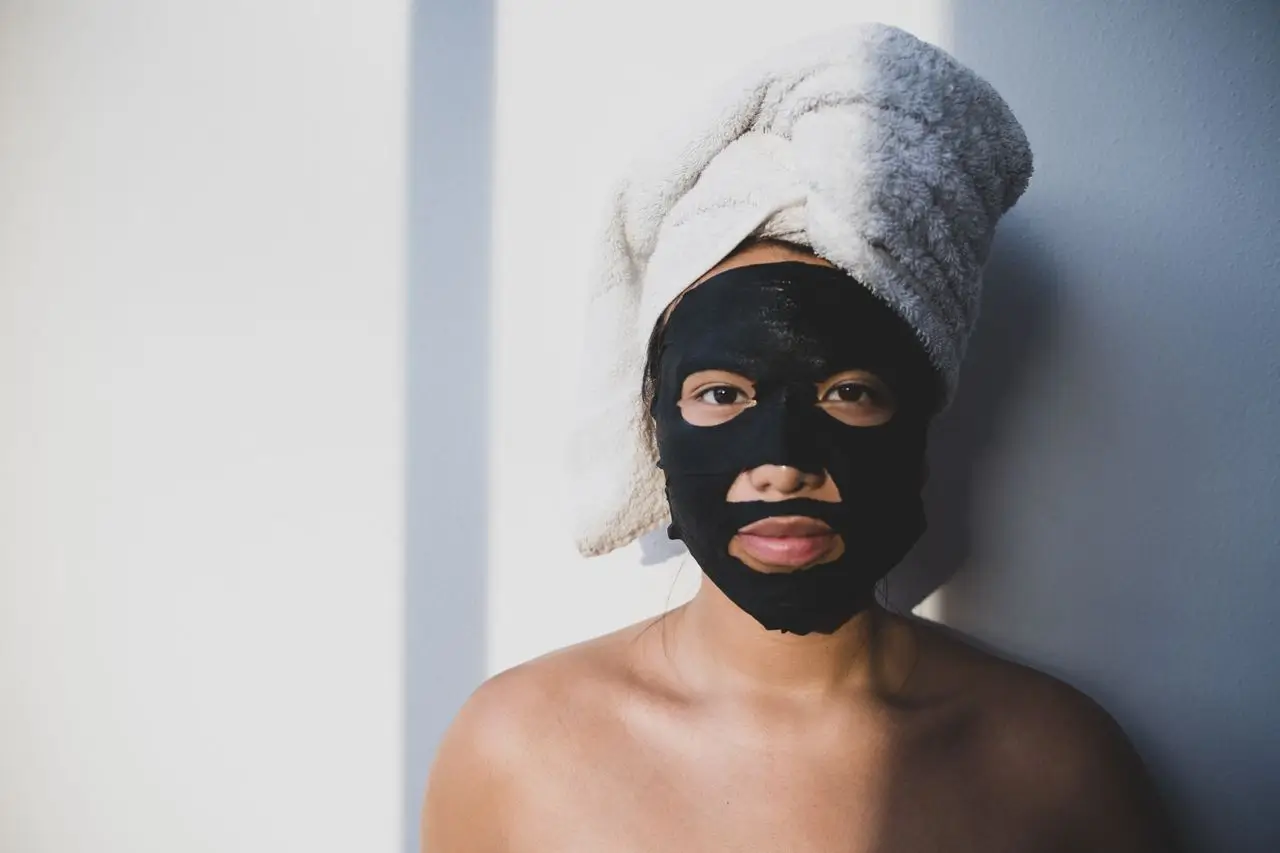
A hydrating sheet mask soaked in centella asiatica, hyaluronic acid, or snail mucin essence delivers an instant, concentrated dose of hydration and radiance in 15 to 20 minutes, making it an ideal weekly treatment for dry, dehydrated, or dull Nepali skin, especially during the harsh dry winter season.
Golden Rules for Nepali Skin: Before You Go
Consistency Over Trends
Nepal’s beauty market is evolving rapidly, and new products and trends arrive constantly. But the most important principle in building a skincare routine for Nepali skin is not to chase every new ingredient or viral product. A basic, consistent four-step routine followed every morning and evening will deliver dramatically better results than an elaborate ten-step routine that you abandon after two weeks. Choose products suited to your skin type, use them consistently, and give them at least four to six weeks before evaluating results.
Always Patch Test
Before introducing any new active ingredient, including Vitamin C, retinol, BHA exfoliants, or any serum with a new formulation, patch test it on your inner wrist or behind your ear for 24 to 48 hours. This is especially important for Nepali skin types that may already be sensitized from pollution exposure. If you experience redness, itching, or swelling, discontinue immediately and consult a dermatologist.
See a Dermatologist for Persistent Concerns
While a well-built skincare routine for Nepali skin will address most common concerns, persistent or severe acne, significant hyperpigmentation such as melasma, eczema, rosacea, or any skin concern that does not respond to consistent skincare over three months should be evaluated by a qualified dermatologist in Nepal. Do not rely on unregulated fairness creams or self-prescribed active ingredients for complex skin conditions.
Start Your Skincare Routine with Genuine Products from Beauty Bee Store
Building the perfect skincare routine for Nepali skin starts with one non-negotiable: the products you use must be 100% genuine. Counterfeit skincare is a documented problem in Nepal’s cosmetics market, and fake or low-quality products can cause serious damage to an already-stressed Nepali skin barrier.
At Beauty Bee Store, we stock only 100% authentic Korean skincare and international beauty brands sourced directly from authorized distributors, including SKIN1004, COSRX, Beauty of Joseon, Medicube, CeraVe, and many more. Every product in our store is the same formulation sold in Seoul, Tokyo, and London, and is quality-checked before reaching your door.
Whether you are building your first skincare routine for Nepali skin from scratch, looking to upgrade your existing products, or searching for a specific active ingredient serum that actually works for your skin type, Beauty Bee Store has everything you need, delivered inside the Kathmandu Valley within 1 to 2 business days.
Your skin deserves genuine care, built on real ingredients, backed by science, and designed for the environment you actually live in.
Shop our full range of genuine Korean skincare and international beauty products at beautybeestore.com and start building the skincare routine your Nepali skin has always needed.
Sources and Citations:
- Dermatologist-approved skin care tips for Nepali skin: Lucent Skin Clinic
- Kathmandu air pollution PM2.5 data: Clinic One Nepal
- Air pollution and skin diseases: Annals of Dermatology / PMC
- PM2.5 and clinical skin aging: MDPI Life Journal
- High altitude UV and skin hyperpigmentation: Indian Journal of Dermatology
- UV Index in Nepal Himalayas: Journal of the Himalayan Atmospheric Environment / NEPJOL
- UV Index comparison Nepal: Asian Journal of Atmospheric Environment / Springer
- Melasma in Nepal: Dermatology Research and Practice / PMC
- Pigmentation and melasma treatment Nepal: Lumiderma Nepal
- Kathmandu PM2.5 seasonal variability: ScienceDirect
- Nepal melasma treatment guide: Nepal Skin Hospital